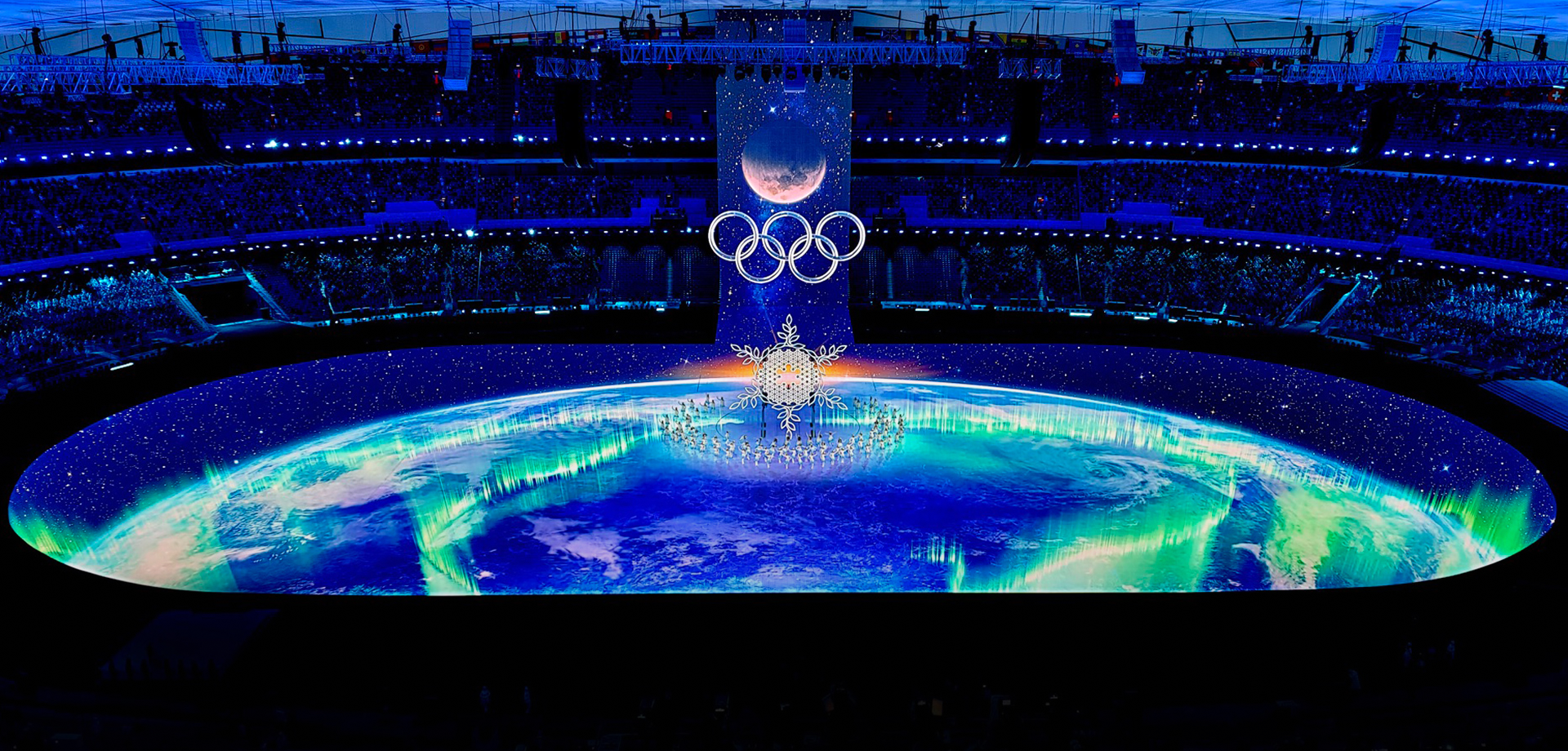

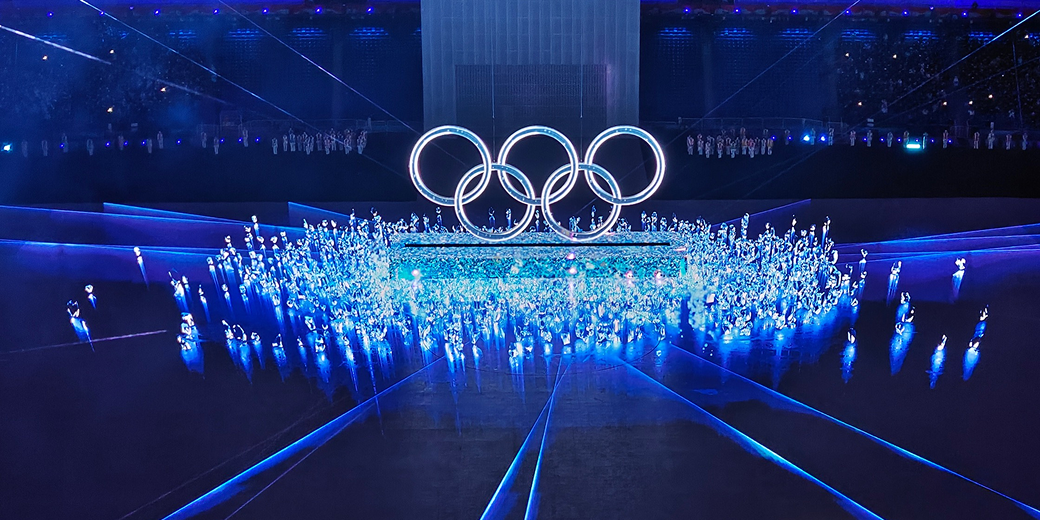


The opening ceremony broadcast reached more than 200 countries and regions, with a global audience of over 1 billion people, making the “Ice Five Rings” the most widely recognized iconic visual symbol of the Winter Olympics. This large-scale dynamic light and shadow installation pioneered a new technical paradigm for independently powered, illuminated dynamic installations at domestic opening and closing ceremonies, establishing a foundation of reusable engineering expertise. As a representative symbol of the “Technology-Driven Winter Olympics,” it showcased China’s capabilities in light and shadow technology to the world, with related footage garnering over 2.2 billion views across all online platforms.
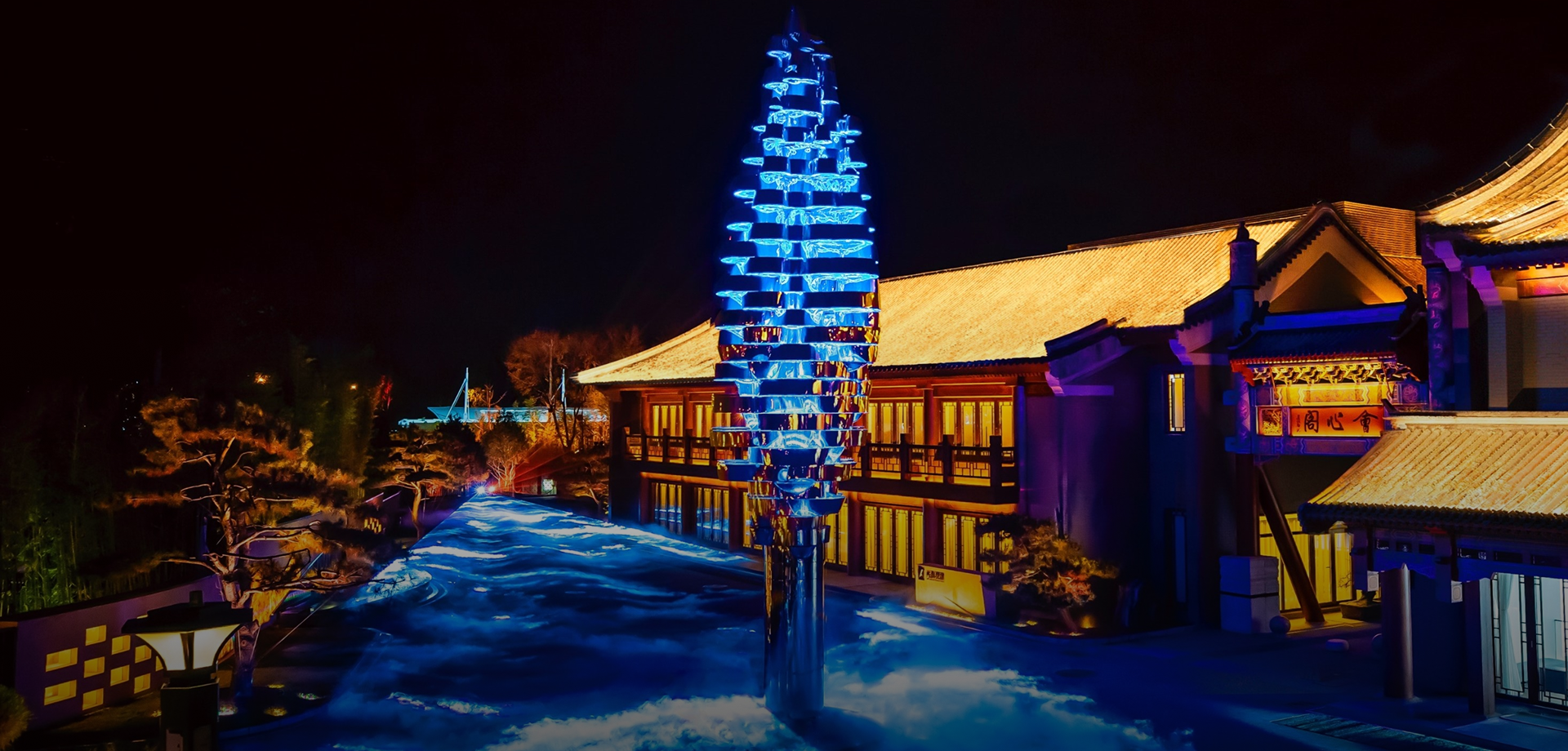
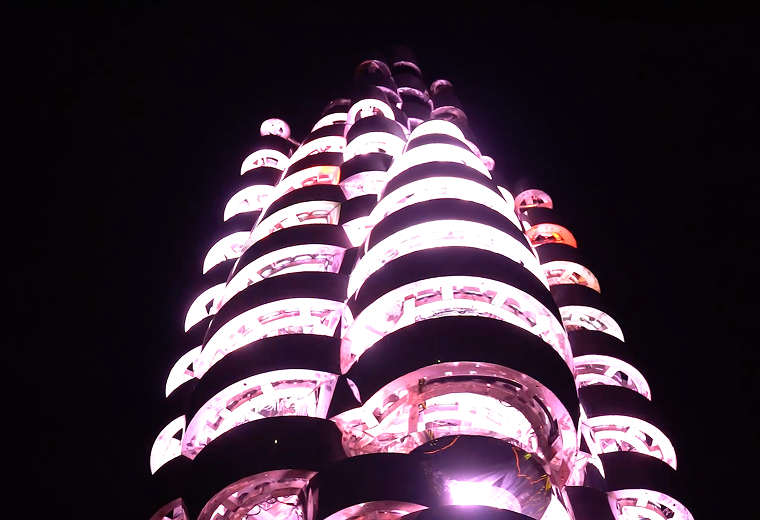
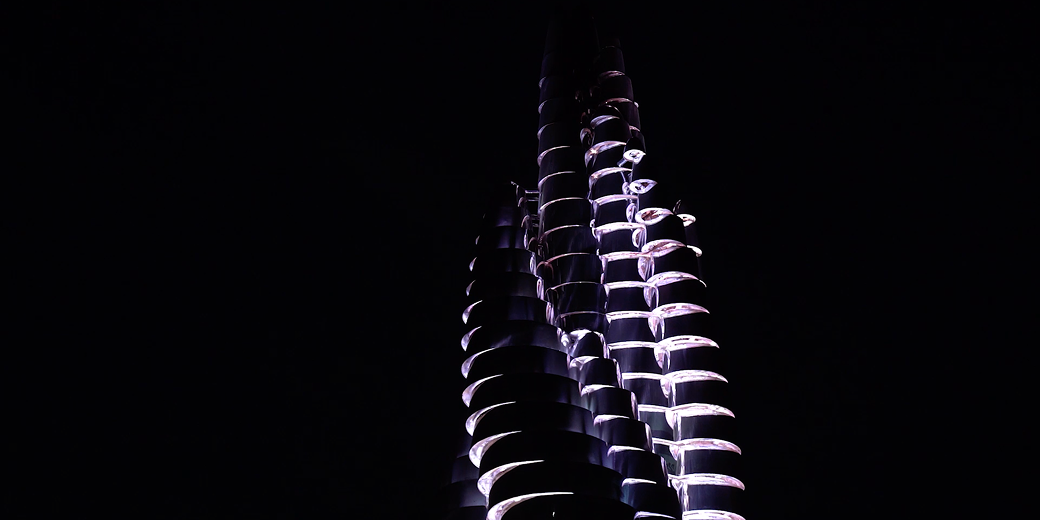
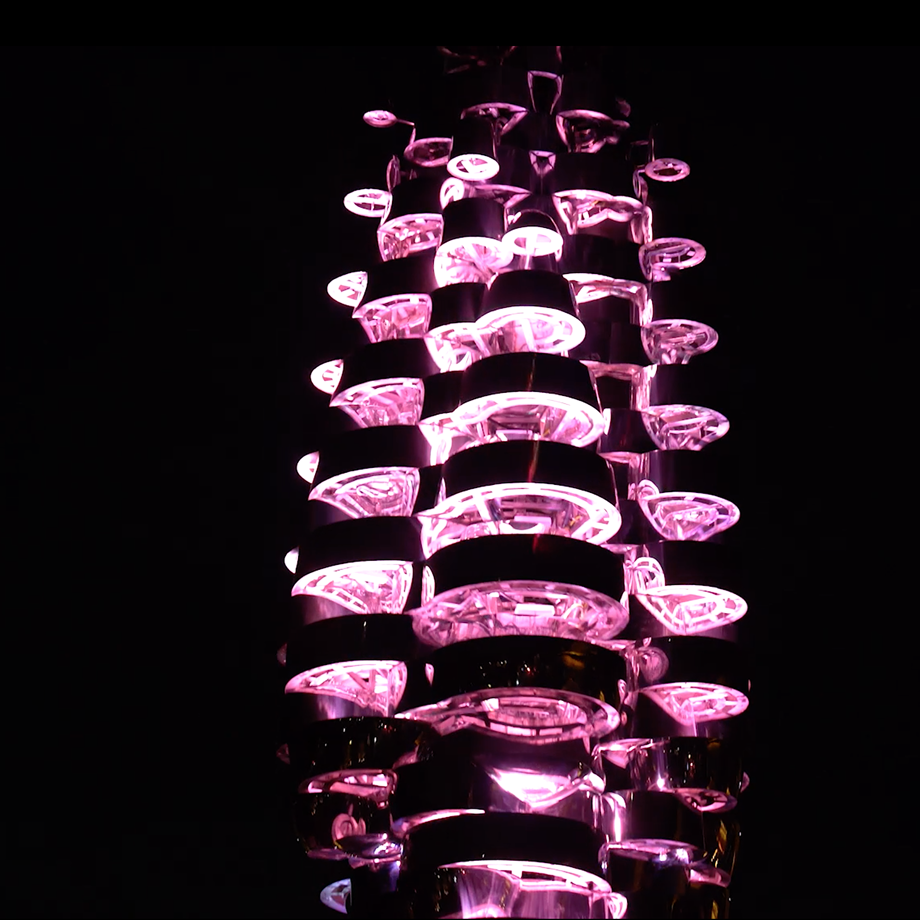
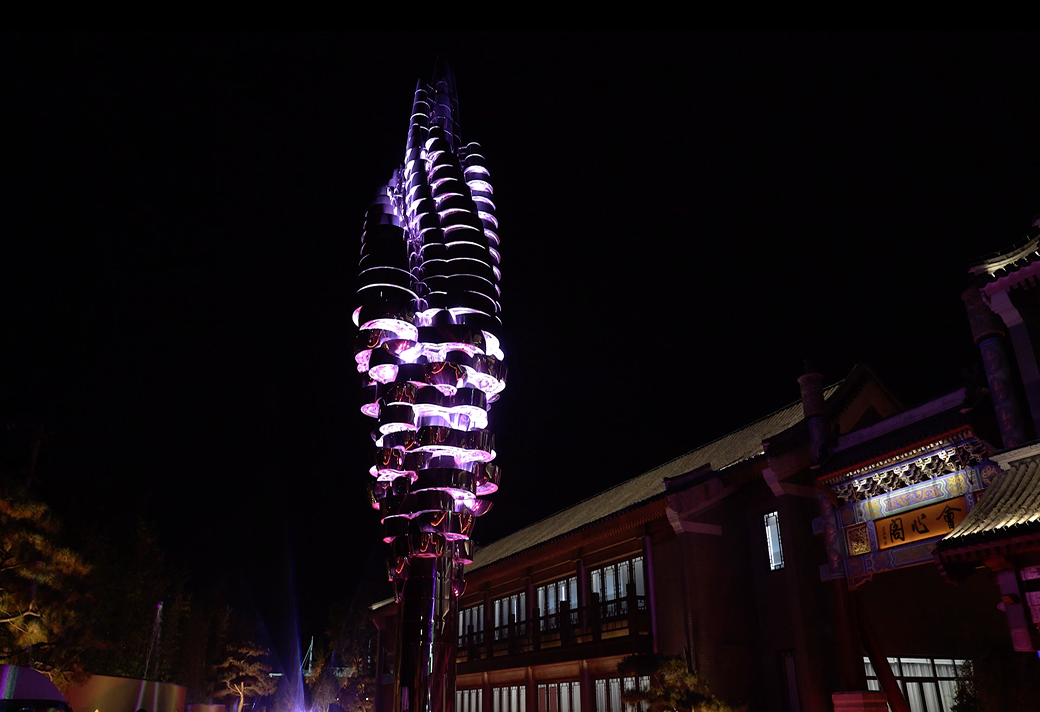
The Light Science and Technology Museum welcomes 280,000 visitors annually for science and art exhibitions, and its signature outdoor installation, “The Light of the Sacred Flame,” attracts 92% of visitors to stop and admire it or take photos.
As a physical science education medium that integrates mechanical motion with light, shadow, and optoelectronic technologies, the installation hosts an average of more than 160 groups of elementary and middle school students annually for science education field trips, transforming light technology into public art that offers an intuitive experience.
Located in a public city square, the installation is open to the public free of charge, adding a high-quality, free public art destination to the city.
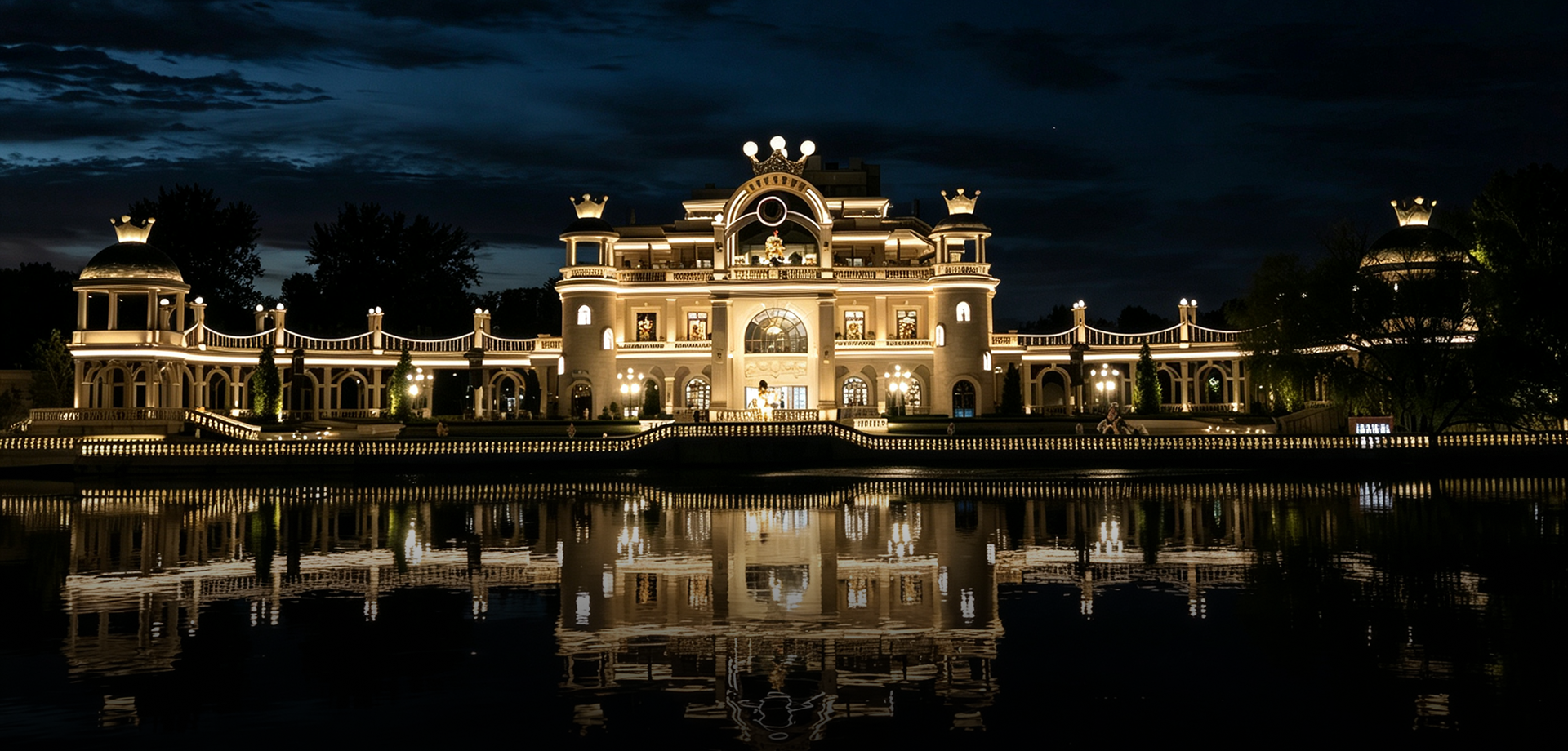
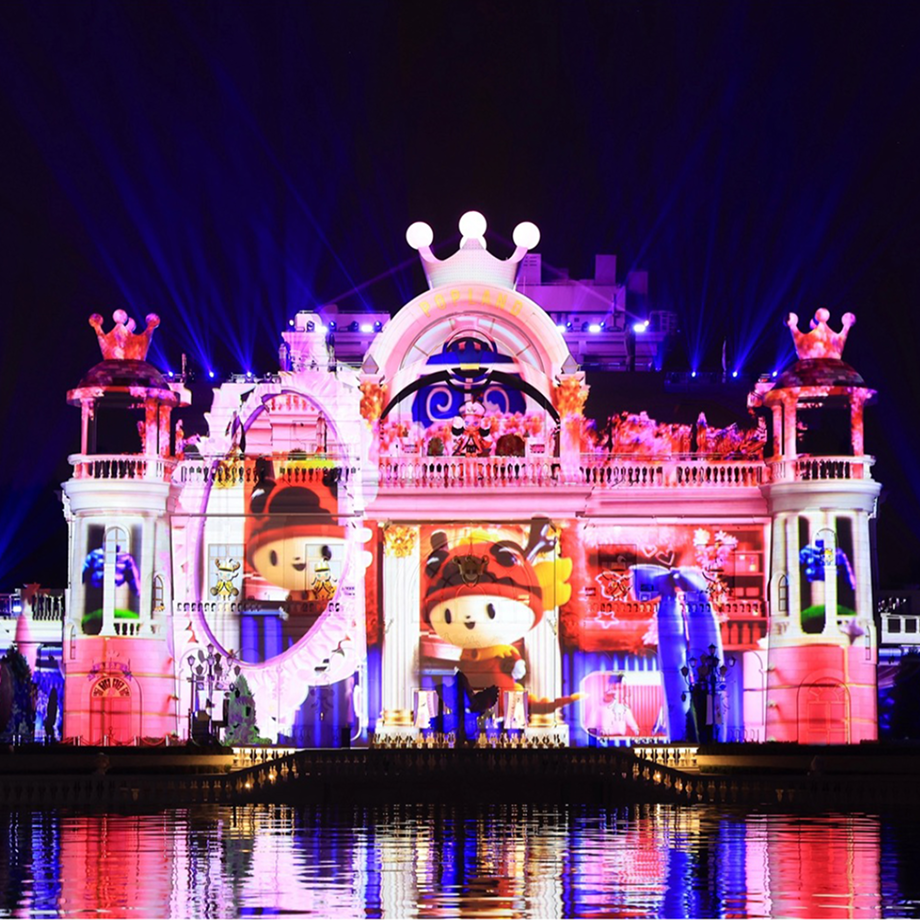
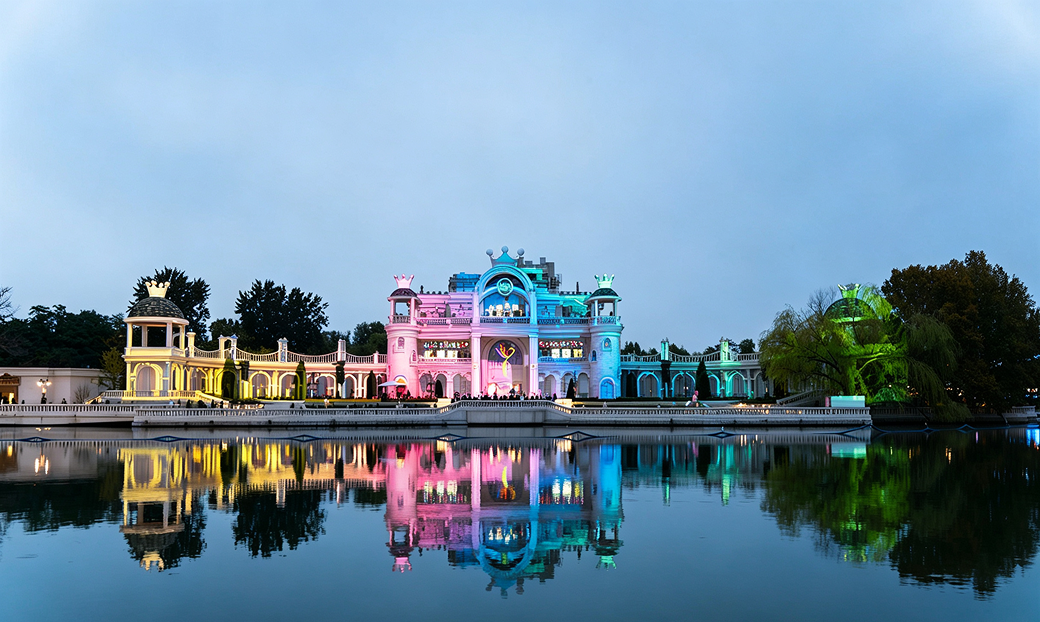
During the light festival, the light show at the palace became a popular photo spot in the area, boosting nighttime visitor flow in the park and resulting in a marked rise in nighttime visitor numbers.
High-quality lighting and light show performances attracted large night crowds, revitalizing park infrastructure and surrounding commercial districts. They unlocked the potential for cultural and tourism spending in the area and helped upgrade the regional night-time economy.
The project is open to the public free of charge. With restrained lighting design, it enriches the city’s public cultural offerings. It provides residents with an inclusive venue for nighttime leisure activities, improving the quality of the nocturnal urban landscape and citizens’ well-being.
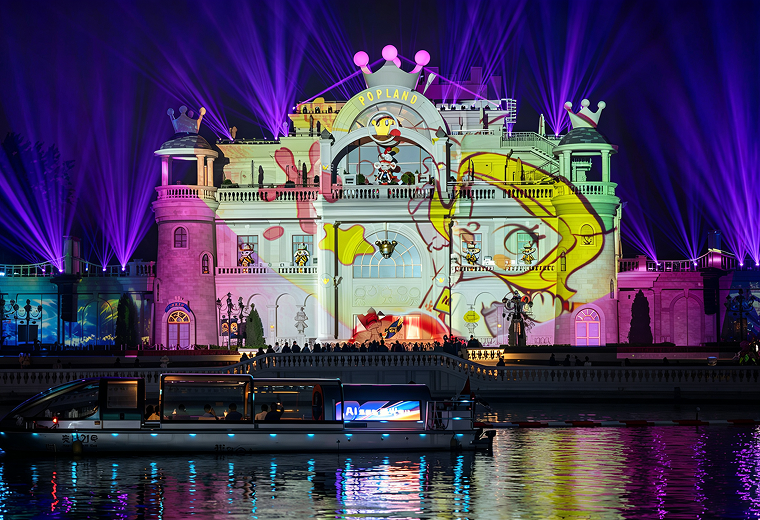
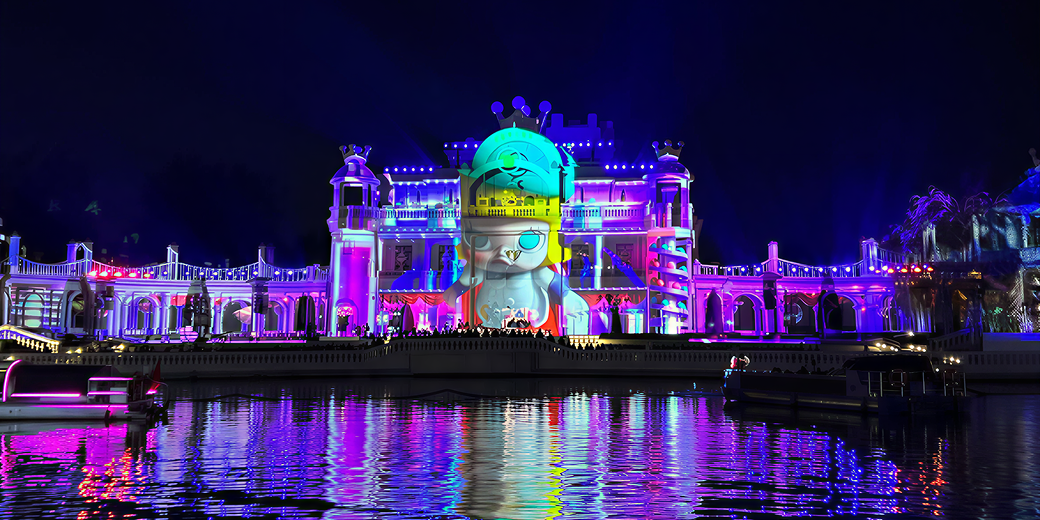
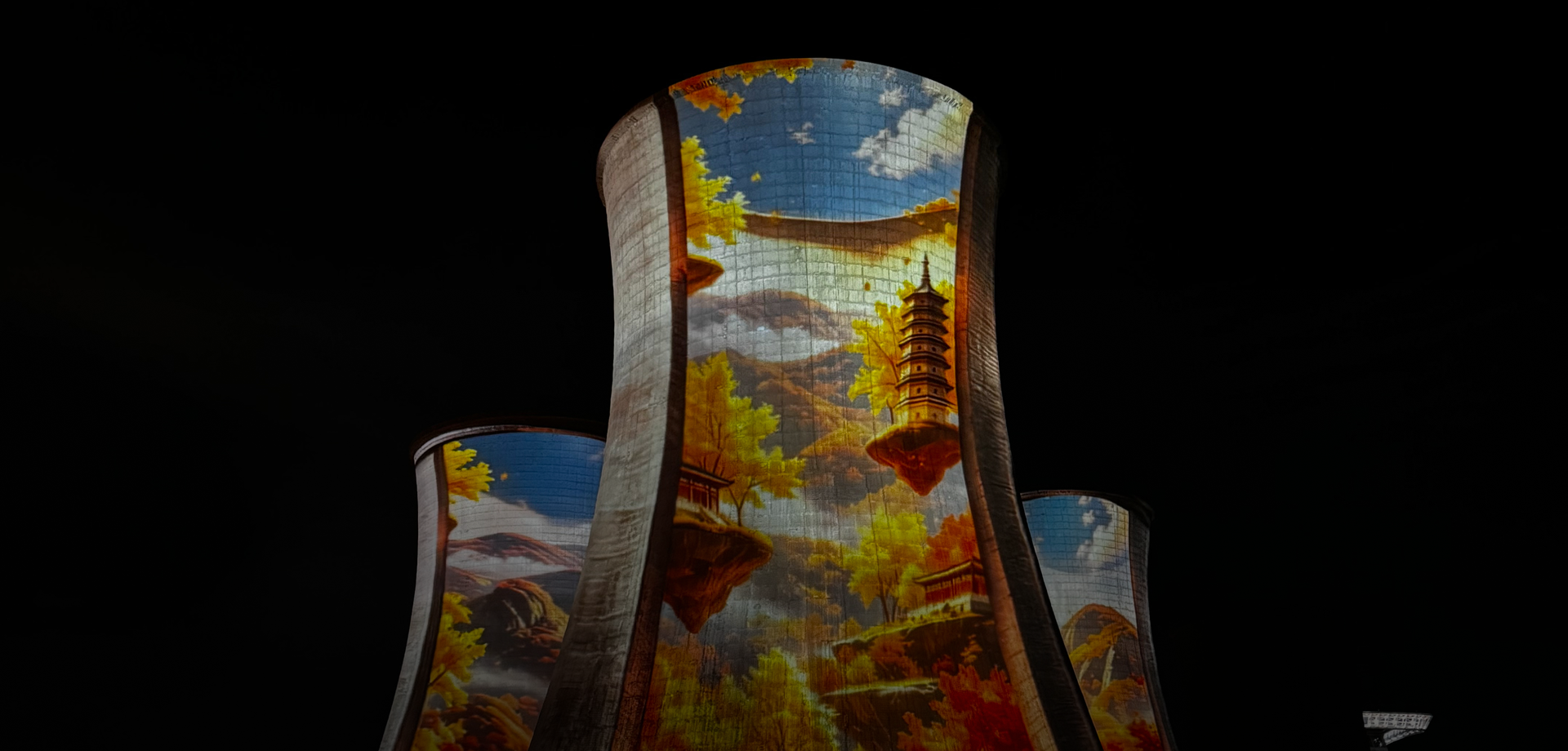
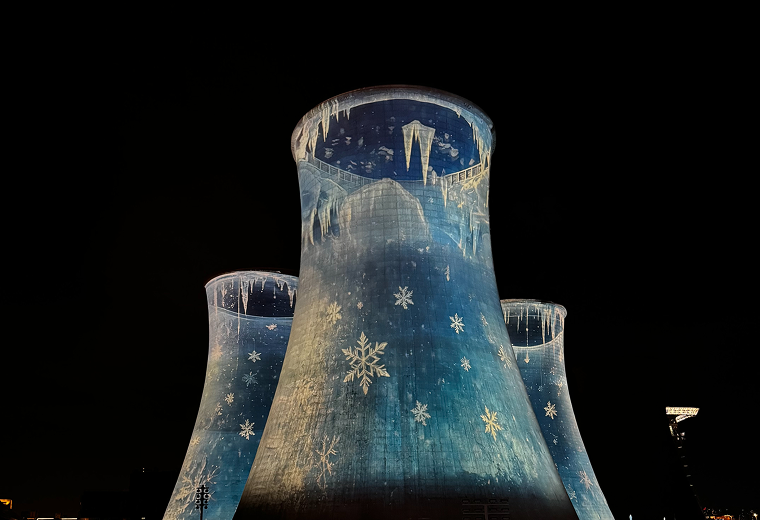
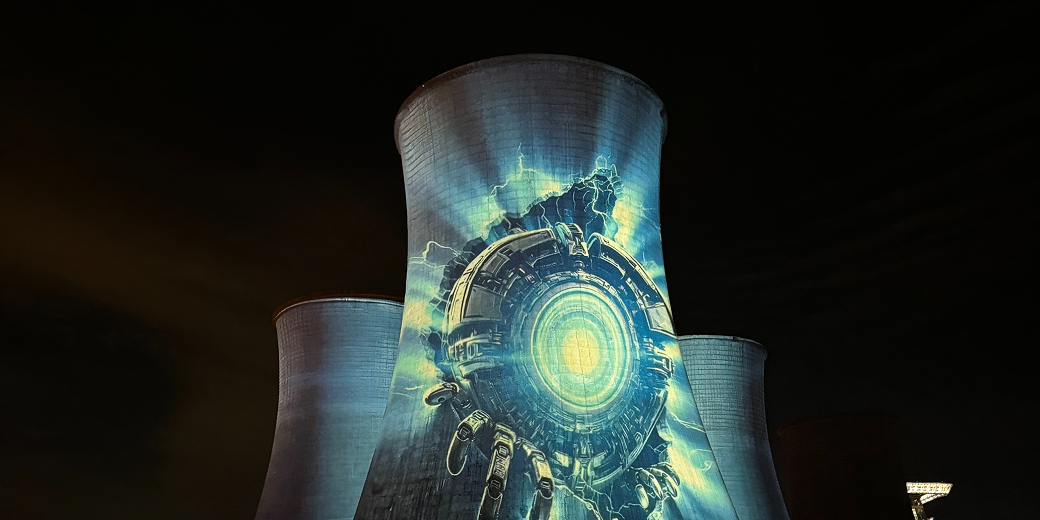
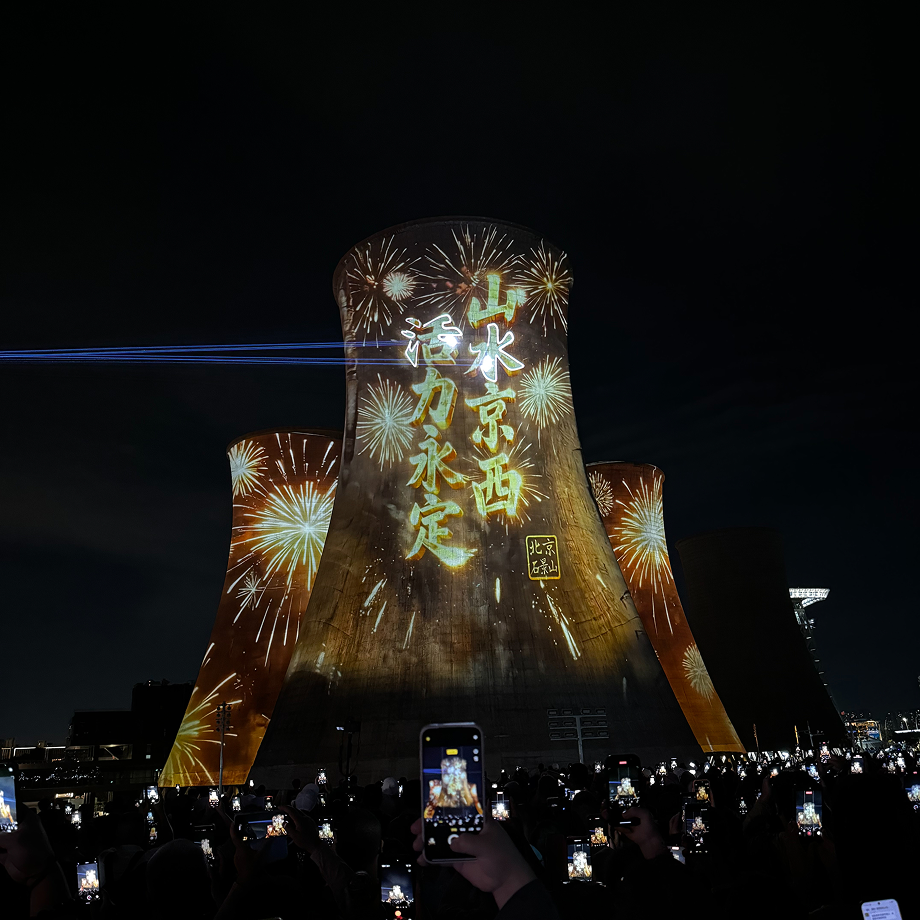
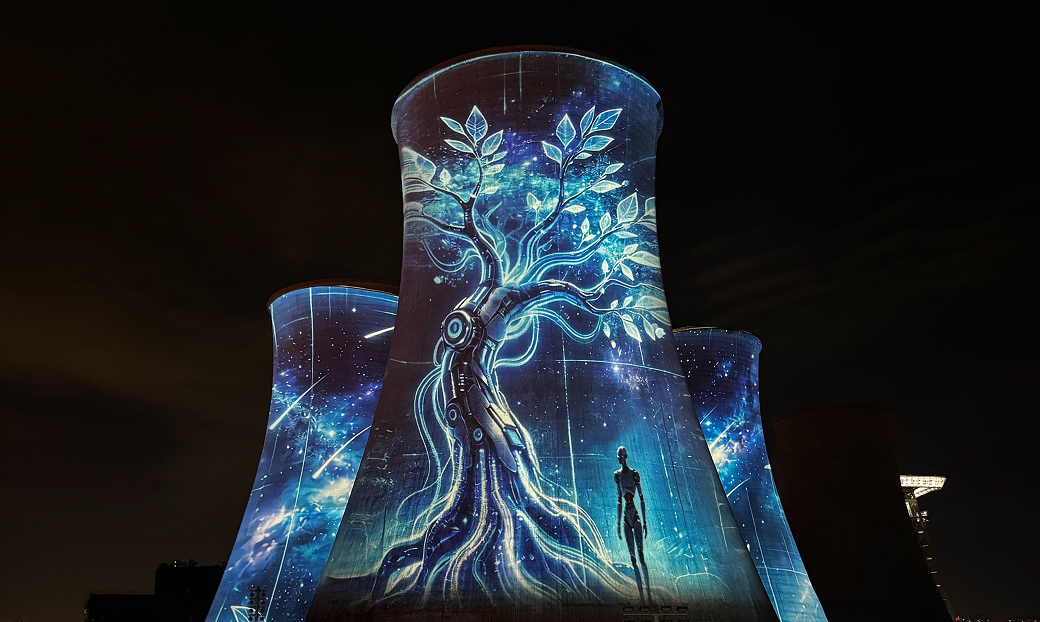
During the CIFTIS, the light show became a popular nighttime destination in western Beijing, attracting a peak audience of over 23,000 people per performance; related content across all online platforms garnered more than 210 million views, trended on local search rankings, and boosted the nighttime visibility of both the Shougang Park and CIFTIS.
The light and sound show attracted nighttime crowds, driving revenue growth for the park’s dining and cultural and creative industries, creating new jobs in the cultural and tourism sectors, and achieving synergy between the “exhibition and nighttime cultural tourism.”
A free viewing area called “Trendy Waterfront” was set up, allowing residents to enjoy the show without admission fees; by revitalizing industrial heritage sites, the event created an inclusive public cultural space for nighttime activities, enriching the cultural lives of residents in western Beijing.